




loader image

Causes

Protecting Wild Herb of the Amazon

Raised Funds 10%

The Amazon Rainforest is often referred to as the “lungs of the Earth,” providing critical oxygen and hosting an unparalleled diversity of plant and animal species. Among its treasures are wild herbs that have been used for centuries by indigenous communities for medicinal, nutritional, and cultural purposes. These herbs play a vital role in the overall ecosystem, contributing to soil health, water filtration, and climate regulation.

However, the rapid expansion of agriculture, logging, and deforestation threatens the survival of these plants. Many wild herbs are at risk of disappearing forever before their full potential, both in terms of their medicinal value and their role in sustaining biodiversity, can be fully understood.

At Zero Pollution Solution, we are committed to protecting these invaluable resources. Our efforts include working closely with local communities, implementing sustainable harvesting practices, and supporting anti-deforestation initiatives. By protecting the wild herbs of the Amazon, we aim to preserve this rich ecological heritage and ensure that future generations can continue to benefit from the Amazon’s natural wealth.

Through education, conservation, and responsible land management, we strive to safeguard these plants and their habitats, ensuring that the Amazon remains a thriving, life-giving ecosystem for years to come.

Our Main Goals

At Zero Pollution Solution, our primary focus is to combat environmental pollution and promote sustainable practices. Through collective action and dedicated efforts, we aim to restore natural ecosystems, raise awareness, and create a pollution-free future for generations to come.

Join Together For Charity

Together, we can drive positive change. Your contribution helps fund impactful projects that fight pollution, restore ecosystems, and create a sustainable future. Let’s unite for a cleaner, healthier world!

More campaign
Clean Nature Campaign

A movement to reduce pollution and restore nature through clean-up events, education, and sustainable practices. Let's work together for a cleaner planet.

Fund Raising For Wild

Support vital conservation efforts to protect endangered species and their habitats. Your contributions help safeguard wildlife for future generations.

Fund Raising For Nature

Help protect natural ecosystems and biodiversity through fundraising initiatives that support reforestation, wildlife protection, and environmental restoration projects.

Raise Hand Charity

Join us in making a difference by raising your hand for charity. Your support helps fund critical environmental projects that combat pollution, protect wildlife, and promote sustainability. Together, we can create lasting change and build a better future for our planet.

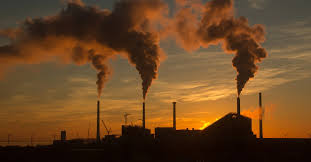
Burning fossil fuels like coal, oil, and gas releases harmful gases into the air. These gases cause air pollution, global warming, and health problems. Factories, cars, and power plants are major sources. Switching to cleaner energy can help reduce pollution.

Transportation is a major source of pollution. Cars, trucks, buses, and planes burn fuel, releasing harmful gases into the air. This causes smog, global warming, and health problems. Using public transport, carpooling, and eco-friendly vehicles can help reduce pollution.

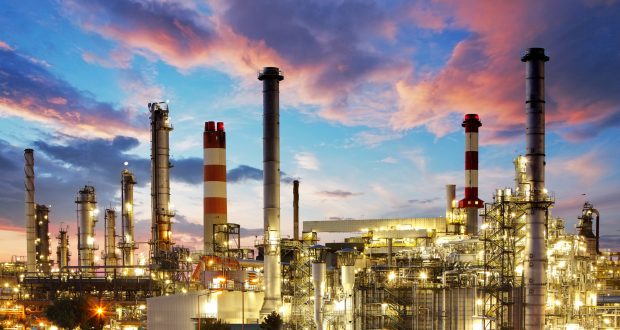
Industries release large amounts of pollutants into the air, water, and soil. Factories often burn fossil fuels and produce waste that harms the environment. This pollution can cause health problems and damage ecosystems. Using cleaner technologies and reducing waste can help lower industrial pollution.

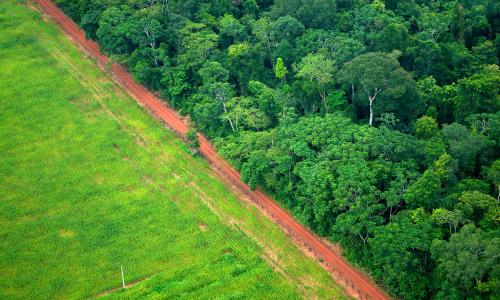
Deforestation is the clearing of forests for farming, logging, or urban development. It reduces the number of trees that absorb carbon dioxide, leading to more greenhouse gases in the air. Deforestation also destroys habitats and harms biodiversity. Protecting forests can help fight climate change and preserve wildlife.
Agriculture contributes to pollution through the use of chemical fertilizers, pesticides, and animal waste. These pollutants can contaminate soil, water, and air, leading to health and environmental issues. Sustainable farming practices can help reduce agricultural pollution.
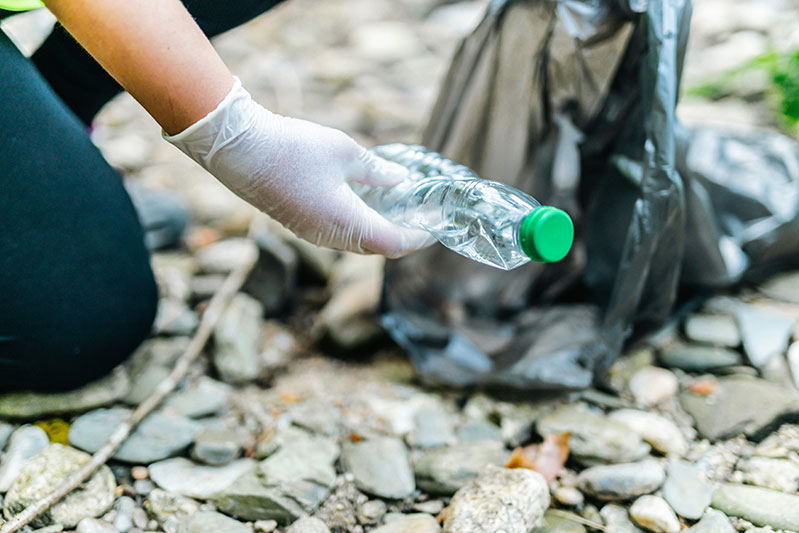
Poor waste management, like improper disposal and landfill overflow, leads to soil, water, and air pollution. Decomposing waste releases harmful gases and toxins that can harm human health and the environment. Recycling and proper waste treatment can help reduce pollution.

Residential and commercial energy use, especially from burning fossil fuels for heating, cooling, and electricity, contributes to air pollution and climate change. Excessive energy consumption leads to higher emissions of greenhouse gases. Using energy-efficient appliances and renewable energy can help reduce pollution.

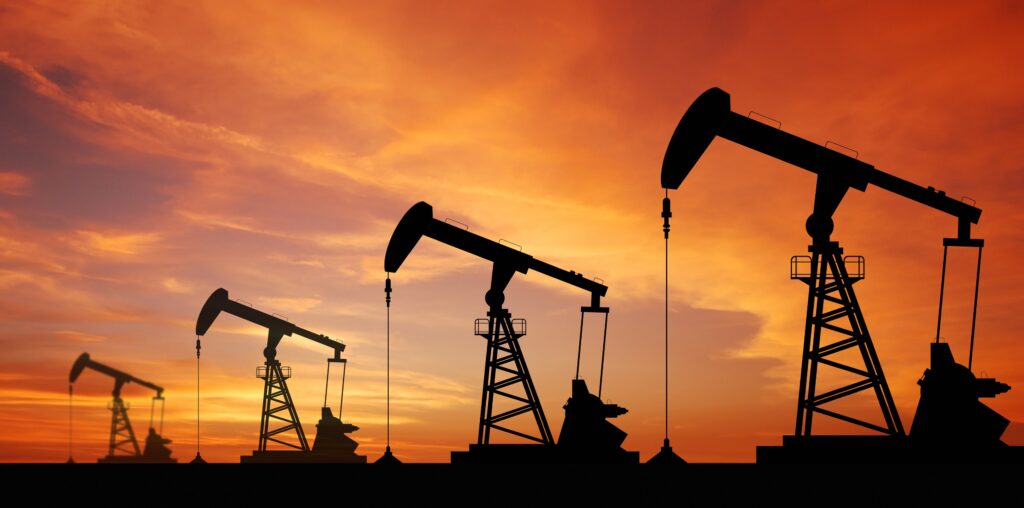
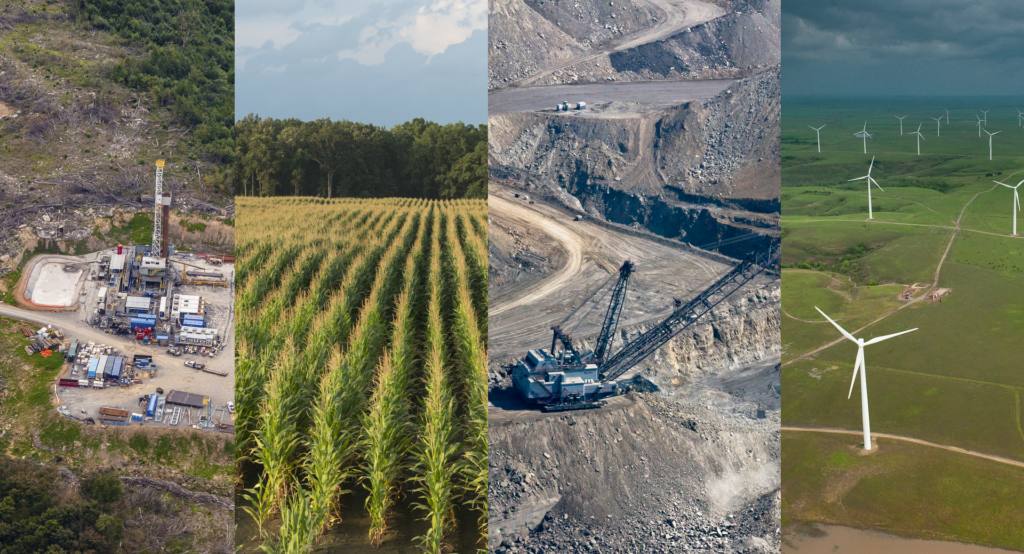
Oil and gas production releases harmful chemicals and greenhouse gases into the environment. Drilling, extraction, and transportation can lead to oil spills, water contamination, and air pollution. Reducing reliance on oil and gas and shifting to cleaner energy sources can help protect the planet.

Land use change, such as converting forests into cities or agricultural land, disrupts ecosystems and increases pollution. It reduces the land’s ability to absorb carbon and leads to habitat loss for wildlife. Sustainable land management can help protect the environment and reduce pollution.

Energy losses occur when energy is wasted during production, transmission, or use. Inefficient appliances, old power grids, and poor energy practices contribute to excess pollution. Reducing energy loss through better technology and conservation can help cut emissions and save resources.

Aerosols and black carbon are tiny particles released into the air from sources like vehicle exhaust, burning wood, and industrial processes. These particles can cause respiratory problems, contribute to climate change, and reduce air quality. Reducing emissions from these sources can improve health and the environment.
Shipping contributes to pollution through the burning of heavy fuel oils in ships, releasing sulfur, nitrogen, and carbon emissions into the air and oceans. This causes air pollution, acid rain, and marine contamination. Using cleaner fuels and adopting eco-friendly technologies can help reduce the environmental impact of shipping.

Mining causes pollution by releasing harmful chemicals into the air, water, and soil. The process can lead to deforestation, habitat destruction, and the contamination of water sources. Sustainable mining practices and better waste management can help reduce environmental damage.

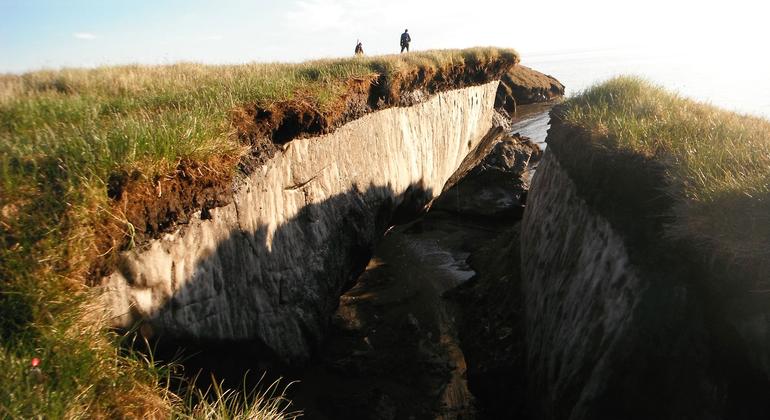
Permafrost thawing occurs as global temperatures rise, releasing stored carbon and methane into the atmosphere. This accelerates climate change, as these gases contribute to the greenhouse effect. Protecting permafrost areas and reducing emissions can help slow this process.

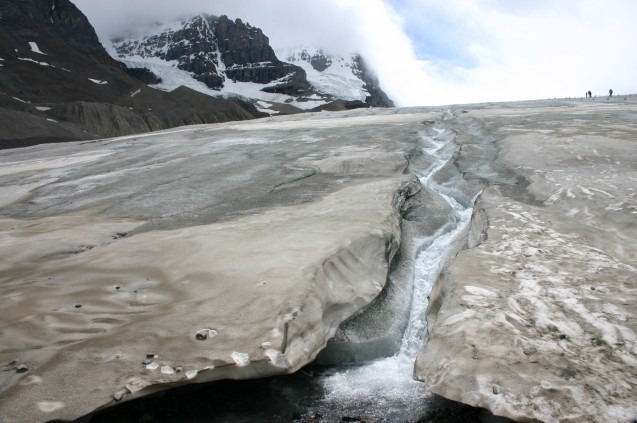
Water use in energy production can lead to water scarcity and pollution. Power plants require large amounts of water for cooling, and waste byproducts can contaminate water sources. Using more water-efficient technologies and renewable energy can help reduce this impact.

Refrigerants used in air conditioners, refrigerators, and cooling systems often contain potent greenhouse gases like hydrofluorocarbons (HFCs). These gases can contribute significantly to global warming when released into the atmosphere. Using eco-friendly refrigerants and improving system efficiency can help reduce their environmental impact.

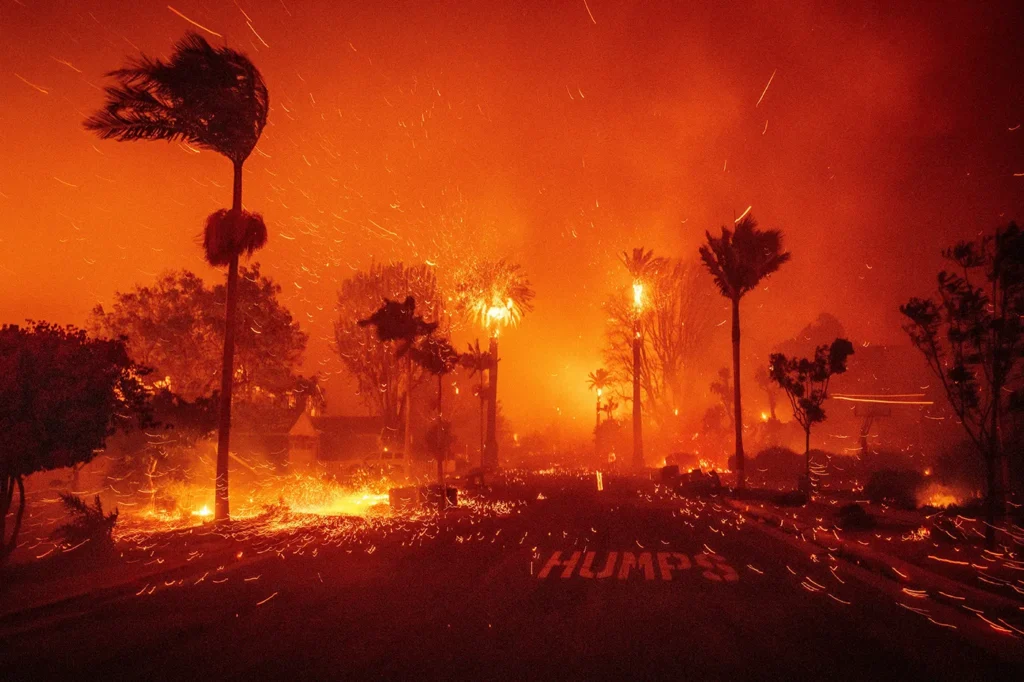
Wildfires release large amounts of carbon dioxide, smoke, and particulate matter into the atmosphere, contributing to air pollution and climate change. They can also destroy habitats and affect air quality. Preventing and managing wildfires through better land practices can help reduce their impact.

The production and disposal of consumer goods lead to significant pollution. Manufacturing processes release harmful emissions, and discarded products contribute to waste and landfill overflow. Choosing sustainable, eco-friendly products and reducing consumption can help lower environmental impact.

Global trade often involves the transportation of goods over long distances, leading to increased emissions from ships, trucks, and airplanes. This contributes to air pollution and climate change. Promoting local production, efficient transport methods, and sustainable trade practices can reduce the environmental impact of global trade.

Population growth increases demand for resources like food, water, and energy, leading to more pollution and environmental degradation. More people means more waste, higher energy use, and greater pressure on natural habitats. Sustainable development and resource management are essential to minimizing the environmental impact of a growing population.

Preserving the wild herbs of the Amazon is crucial for maintaining biodiversity and supporting the health of ecosystems. These plants have medicinal and cultural significance, and their loss could harm both local communities and global health. Protecting the Amazon through conservation efforts helps preserve these valuable herbs and the environment.